

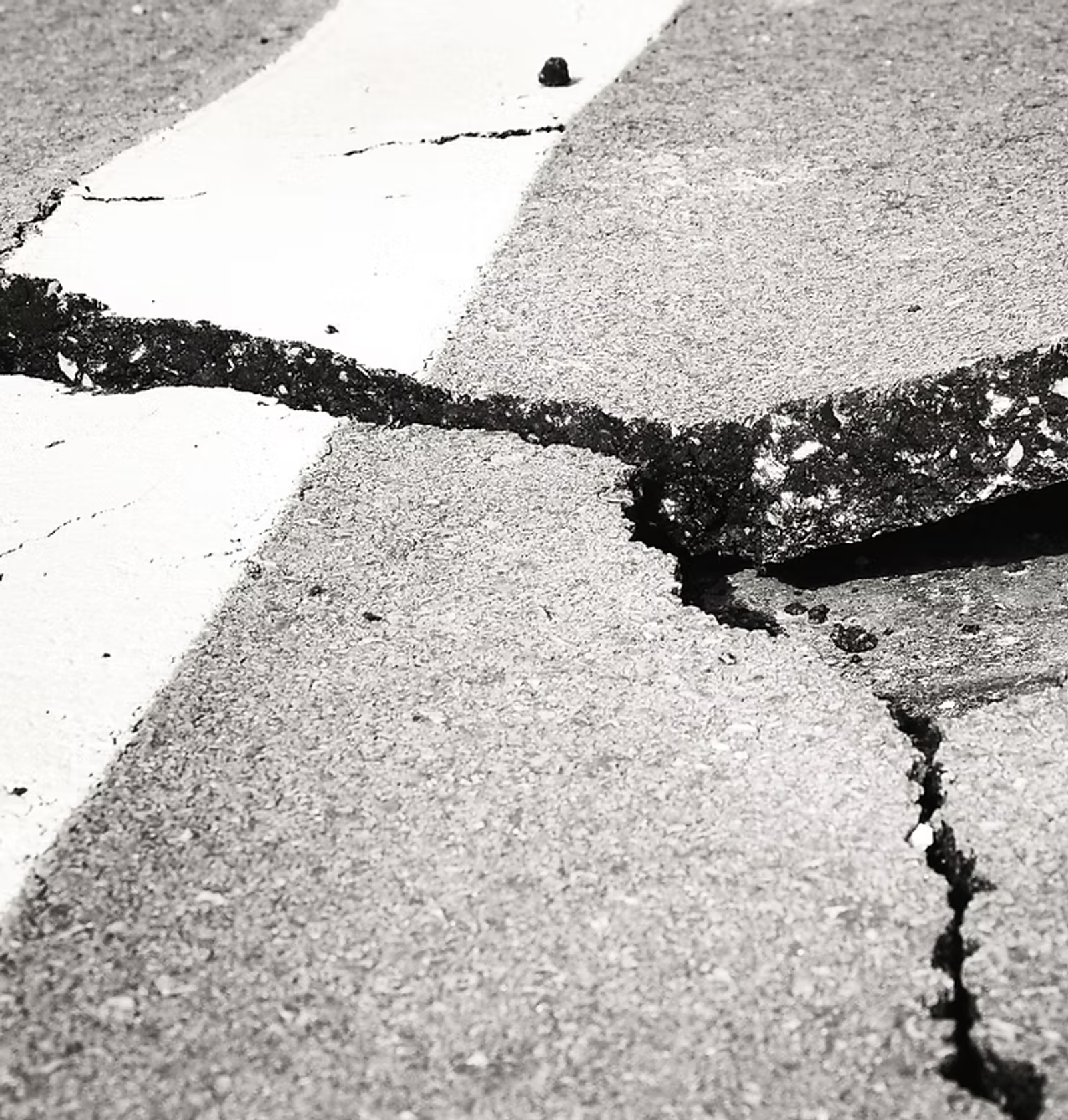
As we move through another warm summer, recent analysis from Claims Consortium Group highlights growing concerns around subsidence risks across the UK, particularly following the record-breaking conditions experienced in 2025. For property owners, landlords, Resident Management Companies (RMCs), and property managers, now is the time to be proactive rather than reactive.
As we move through another warm summer, recent analysis from Claims Consortium Group highlights growing concerns around subsidence risks across the UK, particularly following the record-breaking conditions experienced in 2025. For property owners, landlords, Resident Management Companies (RMCs), and property managers, now is the time to be proactive rather than reactive.
What is Subsidence?
Subsidence occurs when the ground beneath a building moves causing the property's foundations to shift. This can lead to:
- Cracks in walls
- Sticking doors and windows
- Uneven floors
- Structural movement
In the UK, subsidence is often linked to shrink-swell clay soils, which contract during prolonged periods of hot, dry weather.
Why Are Experts Concerned About Summer 2026?
According to Claims Consortium Group, the most important warning signs of a subsidence event often appear in the ground long before claims start arriving. Soil moisture levels across parts of the UK are showing patterns similar to those seen before previous subsidence surge years.
The concern is heightened because:
- The UK experienced its warmest summer on record in 2025.
- Domestic subsidence payouts reached a record £307 million during 2025.
- The ground entered 2026 already affected by the previous year's dry conditions.
Clay soils can retain the effects of prolonged dry weather, meaning another hot summer can place additional stress on already depleted ground conditions.
A Growing Trend
Historically, significant subsidence events occurred during exceptionally dry years such as:
- 1976
- 2003
- 2006
More recently, however, the frequency of major subsidence events appears to be increasing, with notable surge years occurring in:
- 2018
- 2022
- 2025
Each followed prolonged periods of hot and dry weather which reduced moisture in clay-rich soils.
In 2022 alone, around 23,000 subsidence claims were reported, with approximately 18,000 claims arising during the second half of the year following summer heatwaves.
What Does This Mean for Property Managers?
For property managers overseeing blocks of flats and residential portfolios, early awareness is critical.
While it's impossible to prevent extreme weather, there are practical steps that can reduce the likelihood of problems escalating:
Inspect Buildings Regularly
Look for:
- New or widening cracks
- Distortion around doors and windows
- Separation between extensions and main buildings
- Changes in external pathways or retaining walls
Review Vegetation Near Buildings
Trees and large shrubs can significantly affect moisture levels in clay soils. Consider whether vegetation is located close to building foundations and seek professional advice where appropriate.
Maintain Drainage Systems
Leaking drains, gutters, and underground pipework can contribute to ground movement and should be repaired promptly.
Keep Records
Photographs and maintenance records can help demonstrate when movement occurred and support any future insurance claim.
Ensure Adequate Buildings Insurance
Given increasing repair costs and the growing frequency of subsidence events, it is important to ensure:
- Buildings sums insured remain adequate.
- Subsidence cover is included.
- Property information disclosed to insurers is accurate and up to date.
The Importance of Early Action
One of the key messages from Claims Consortium Group is that the environmental indicators often appear weeks or months before claims volumes increase. By the time large numbers of claims are being reported, the underlying conditions have already been developing for some time.
For property owners and managers, this reinforces the importance of regular inspections, effective maintenance programmes, and early reporting of suspected structural movement.
How Eggar Forrester Insurance Can Help
As specialists in property insurance, we work with:
- Blocks of flats
- Resident Management Companies (RMCs)
- Right to Manage Companies (RTMs)
- Managing Agents
- Landlords and Property Investors
If you have concerns about subsidence exposure, building valuations, or the adequacy of your current insurance arrangements, our team would be happy to review your cover and discuss your options.
Source
The information and statistics referenced in this article are based on research and analysis published by Claims Consortium Group in June 2026, examining soil moisture levels, subsidence trends and the potential for increased claims activity following consecutive years of hot and dry weather.
For the full article and further reading, visit:
Additional comments sourced from Duncan Hamilton, Head of Subsidence, McLarens, as featured in the McLarens Subsidence Bulletin – Early August 2026